
Reline
Our denture relines Bundoora service is designed to improve the fit of an existing removable denture when the shape of the gums and supporting tissues has changed. At Alma Denture, your denture and mouth are assessed before treatment so we can determine whether a reline, adjustment, rebase, repair or replacement may be the most suitable option.
What is a denture reline?
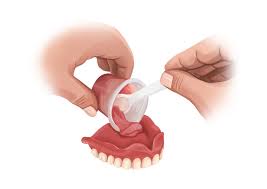
A denture reline adds new material to the tissue-fitting surface of an existing denture. This surface is the part that rests against your gums. The aim is to adapt the inside of the denture more closely to the current shape of the mouth while retaining the existing denture teeth and most of the original denture base.
A reline mainly changes the fit against the gums. It does not normally change the position, shape or colour of the denture teeth. If the teeth are worn, the bite is unsuitable, the denture is badly damaged or the appearance needs a major change, a different treatment may be recommended.
Why can dentures become loose?
The gums and jawbone can gradually change after natural teeth are removed. These changes may reduce the support under a full or partial denture. A denture can also feel different after healing from extractions, changes in weight, illness, normal wear or the loss of a tooth that previously supported a partial denture.
Signs that your denture may need assessment include:
- movement while eating, speaking, smiling or yawning;
- food collecting beneath the denture;
- new sore spots, rubbing or pressure areas;
- a need to use increasing amounts of denture adhesive;
- clicking, reduced stability or a change in the bite; and
- an immediate denture becoming loose as the mouth heals.
Hard and soft denture relines
A hard reline uses a durable denture-base material to renew the fitting surface. It may be suitable when the oral tissues are healthy and the existing denture is otherwise appropriate to retain.
A soft reline uses a more resilient lining material. It may be considered when the tissues require cushioning or cannot comfortably tolerate a hard fitting surface. Soft materials have different care and maintenance needs and may need to be reviewed or replaced more often. The choice between a hard and soft reline depends on your mouth, denture, comfort and clinical requirements.
What happens during a denture reline?
Your dental prosthetist first examines the denture and checks how it fits and functions. The mouth and supporting tissues may also need to be assessed for irritation, infection or other concerns. If relining is appropriate, an impression is usually taken using the existing denture so the new fitting surface reflects the current shape of the gums.
The denture is then processed using the selected reline material. The exact steps and timing depend on the denture type, material and clinical findings. When the denture is returned, its fit, bite and comfort are checked. Small adjustments may be required, and a review can be arranged if pressure areas develop.
When a reline may not be enough
A reline can improve adaptation to the gums, but it cannot correct every denture problem. A rebase replaces most of the denture base while keeping the existing teeth when appropriate. A new denture may be considered when the teeth are significantly worn, the bite or appearance needs major correction, the denture has repeated fractures, or the base and teeth are no longer suitable.
Loose dentures should be assessed rather than repeatedly managed with extra adhesive. Adhesive may help some suitable dentures, but it does not correct an underlying fit problem. Do not try to reline, heat, bend or adjust a denture yourself, as this may damage it or cause injury.
Relines after tooth extraction
Immediate dentures are fitted around the time natural teeth are removed. During healing, the gums and bone change shape, so the denture may gradually become loose. A temporary or later reline may be considered as healing progresses. The timing varies between patients, which is why follow-up appointments and individual assessment are important.
Partial dentures can also need review after the loss or extraction of another tooth. Depending on the design and condition of the denture, options may include an addition, adjustment, reline or replacement.
Caring for a relined denture
Follow the instructions provided for your specific reline material. Handle the denture over a folded towel or basin partly filled with water to reduce the risk of breakage if it is dropped. Clean it daily with a denture brush or soft toothbrush and an appropriate non-abrasive denture cleanser. Regular toothpaste can be abrasive, and hot or boiling water may distort denture materials.
Unless your oral health professional advises otherwise, remove dentures at night and store them as directed. Soft lining materials may require different cleaning products, so avoid using chemicals or soaking solutions that have not been recommended for that material.
Arrange a denture reline assessment in Bundoora
If your denture feels loose, uncomfortable or less stable than before, contact Alma Denture for an assessment. For denture relines Bundoora patients can bring their current denture so we can examine its condition, fit and function. We will explain whether a hard reline, soft reline, adjustment, rebase or replacement may be appropriate before treatment begins.