
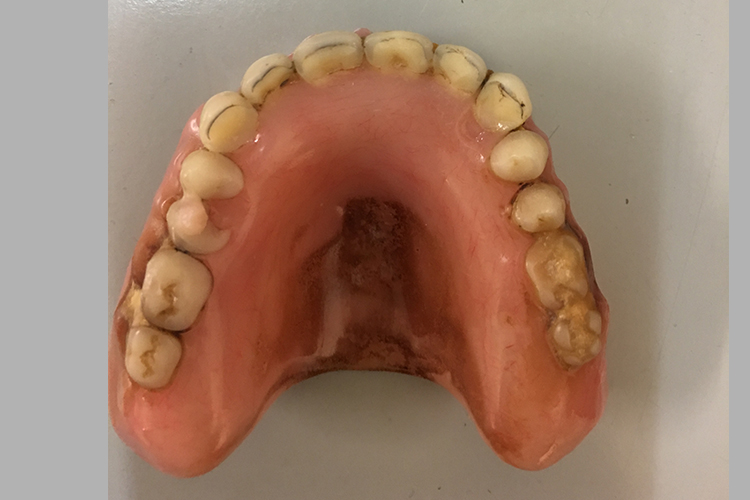
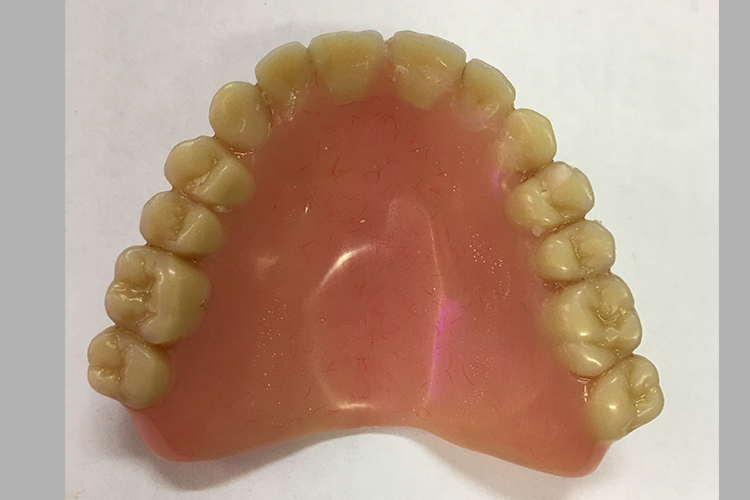
Re-teeth:(Replacing worn teeth on a denture)
Denture teeth replacement Bundoora may be an option when the teeth on an existing denture are worn, damaged or missing, but the denture base remains suitable for continued use. At Alma Denture, we assess the denture, your mouth and your individual needs before recommending replacement teeth or another treatment option.
What Is Denture Teeth Replacement?
Denture teeth replacement, sometimes called re-teething, involves removing worn or unsuitable artificial teeth from an existing removable denture and replacing them with new denture teeth. In some cases, individual missing or damaged teeth can be added or replaced. In other cases, a complete set of denture teeth may need to be renewed.
The existing denture base can only be retained when it remains clinically suitable. The new teeth must be selected and positioned to work with the denture base, your bite and your appearance.
Why Do Denture Teeth Wear?
Denture teeth are designed for daily use, but they can gradually wear over time. The rate of wear varies according to the denture material, diet, chewing habits, cleaning methods, opposing teeth and how the upper and lower teeth contact each other.
Signs that denture teeth may need professional assessment include:
• Teeth that look noticeably shorter, flatter or uneven.
• Chipping, cracking or missing denture teeth.
• Changes in the way the upper and lower teeth meet.
• Reduced chewing efficiency.
• Changes in facial support or appearance.
• Repeated movement or instability during function.
• Discomfort or irritation associated with the denture.
These signs do not always mean that re-teething is the correct treatment. An assessment is needed to identify the cause and determine whether the existing denture can be modified safely.
Replacing One Tooth or a Full Set
A single denture tooth may sometimes be replaced if it has broken, become detached or is missing and the remainder of the denture is in suitable condition.
When several teeth are worn or the bite has changed, replacing a complete set of denture teeth may be considered. The dental prosthetist assesses the existing tooth arrangement, available space, denture base, bite, appearance and support before recommending treatment.
The replacement teeth are selected for appropriate size, shape and shade. Their position must also be planned carefully so the denture can function as intended.
The Assessment Process
Your denture teeth replacement Bundoora appointment begins with an examination of your mouth and existing denture. We check the condition of the acrylic or metal base, the remaining denture teeth, the fit against the gums, the bite and the condition of the oral tissues.
We also discuss your concerns about comfort, chewing, speech and appearance. Depending on the situation, impressions, bite records or other clinical records may be required.
If the denture base is cracked, distorted, poorly fitting or no longer appropriate, a repair, reline, rebase or new denture may be recommended instead. Treatment recommendations depend on the condition of the appliance and your clinical needs.
Re-teething, Relining, Rebasing or a New Denture?
Each treatment addresses a different part of a denture.
Re-teething replaces worn, damaged or missing artificial teeth while retaining a suitable existing base.
A reline adds new material to the tissue-fitting surface to improve the relationship between the denture and the gums.
A rebase replaces most or all of the acrylic denture base while retaining suitable denture teeth.
A repair restores a specific damaged area, such as a crack or broken component.
A new denture may be more suitable when the base, fit, bite, teeth or overall design require extensive change. Your dental prosthetist will explain the advantages, limitations and likely steps for the options relevant to you.
After Denture Teeth Replacement
After the denture is returned, its fit and bite are checked. The new tooth surfaces may feel different at first. A review or adjustment appointment may be recommended if pressure areas, bite concerns or other issues develop.
Contact the clinic if the denture causes persistent pain, develops a crack, becomes loose or does not feel comfortable during function. Do not grind, reshape or glue denture teeth at home, as uncontrolled alterations may damage the denture or affect the bite.
Caring for Your Denture
Clean the denture daily with a soft denture brush and a suitable non-abrasive denture cleanser. Avoid ordinary toothpaste if it is abrasive, because scratching can make the denture more difficult to keep clean.
Do not place the denture in hot or boiling water, as heat may distort it. Clean it over a folded towel or a basin partly filled with water to reduce the risk of damage if it is dropped.
Clean your gums, tongue, palate and any remaining natural teeth each day. Remove the denture overnight unless your treating clinician advises otherwise, and attend regular oral and denture reviews.
Book an Assessment in Bundoora
If your denture teeth are worn, chipped, damaged or missing, an assessment can clarify whether individual tooth replacement, complete re-teething or another treatment may be appropriate.
Contact Alma Denture to arrange a denture teeth replacement Bundoora assessment. We will examine your denture, discuss your concerns and explain the options suitable for your circumstances.