
Repairs
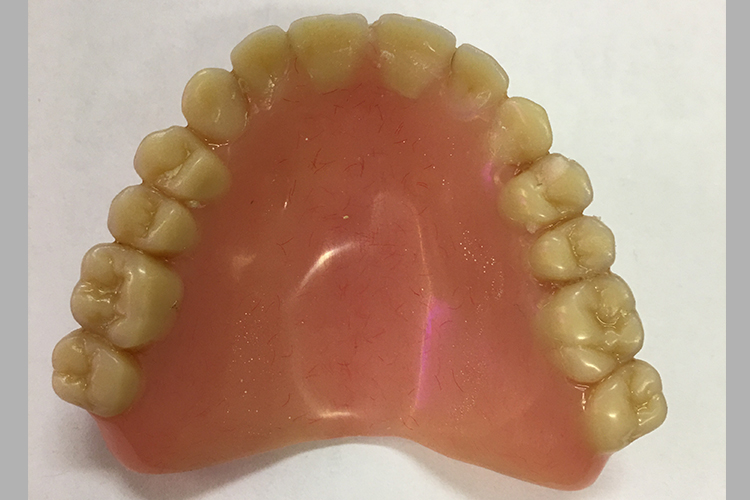
Our denture repairs Bundoora service helps patients with broken, cracked, chipped or damaged dentures. At Alma Denture, each denture is assessed before any work begins so we can explain whether a repair, adjustment, reline, rebase or replacement may be the most suitable option. The right approach depends on the type of denture, the location of the damage, its age and condition, and how it fits in your mouth.
What denture problems can be assessed?
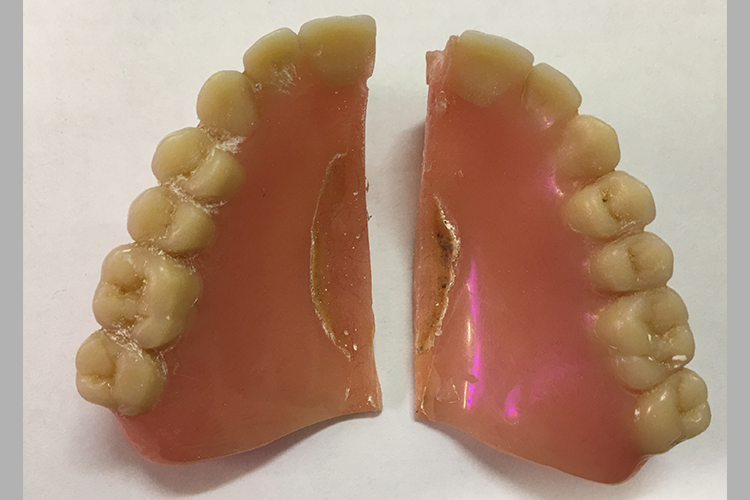
Dentures can be damaged by being dropped, biting hard foods, normal wear, changes in fit or gradual weakening of the denture material. Even a small crack should be checked because continuing to wear a damaged denture may allow the fracture to become worse.
We can assess common concerns such as:
- a cracked or completely broken denture base;
- a chipped, loose or missing denture tooth;
- damage to a partial denture or clasp, where repair is appropriate;
- worn denture teeth or changes in the way the teeth meet;
- a denture that feels loose, unstable or uncomfortable; and
- dentures that have fractured more than once.
What should you do if your denture breaks?
If your denture is sharp, painful or unstable, stop wearing it and contact the clinic for advice. Keep every broken piece, including any detached denture teeth, and bring them with you. Store the pieces safely in a clean container so they are not lost or damaged further.
Do not bend, trim or reshape the denture yourself. Please do not use household glue or superglue to join broken parts. These products are not intended for use in the mouth, may affect the denture material and can make professional repair more difficult. If the denture is causing a sore spot or injury, leave it out until you receive professional advice.
How we assess a denture repair
At your appointment, we examine the denture, identify the damaged areas and consider why the problem occurred. We may also need to check the fit in your mouth. In some cases, an impression or other clinical information is required before the denture can be repaired accurately.
After the assessment, we will explain the available options, expected timing and relevant costs before proceeding. Repair time varies according to the type and extent of the damage, the denture material and whether additional clinical work is needed. We do not assume that every broken denture can or should be repaired in the same way.
Repair, reline, rebase or replacement?
A repair restores a damaged part of the denture, such as a fracture in the acrylic base or a detached denture tooth. However, a fracture can sometimes be a sign that the denture no longer fits correctly. If the gums and jaw have changed over time, simply joining the broken parts may not address the underlying cause.
A reline adds new material to the fitting surface to improve contact with the gums. A rebase replaces most of the denture base while retaining the existing denture teeth when appropriate. If the denture is very worn, repeatedly breaking, significantly damaged or no longer suitable, a new denture may be recommended. Your dental prosthetist will discuss these choices with you after examining the denture and your individual needs.
Why do dentures break?
Accidental impact is common, particularly when a denture is dropped onto a hard basin or floor. Dentures may also weaken with age, become stressed when they fit poorly, or be affected by worn teeth and an uneven bite. Changes in the gums and jaw can reduce support under the denture. Repeated fractures in a similar location deserve careful assessment rather than repeated repair without investigating the cause.
Caring for your denture after repair
Good daily care can reduce avoidable damage and help you notice problems early. Handle dentures over a folded towel or a basin partly filled with water so they are less likely to break if dropped. Clean them every day with a denture brush or soft toothbrush and a non-abrasive denture cleanser. Regular toothpaste can be abrasive, and hot or boiling water may distort denture materials.
Unless your oral health professional advises otherwise, dentures should generally be removed at night. Follow the storage and soaking instructions recommended for your particular denture material. Continue regular reviews even if you have no natural teeth, because the fit of a denture and the health of the tissues underneath can change over time.
When should you arrange an assessment?
Please arrange a check if your denture has a visible crack, a loose tooth, a sharp edge, recurring breakage, movement while eating or speaking, or a noticeable change in fit. Pain, persistent sore areas, bleeding or changes in the mouth should also be professionally assessed. Avoid waiting until minor damage becomes a larger fracture.
Book denture repairs in Bundoora
For denture repairs Bundoora patients can contact Alma Denture to arrange an assessment. Bring the denture and all broken or detached pieces to your appointment. We will inspect the damage, discuss suitable options and explain the next steps before work begins. Contact our clinic if you are unsure whether it is safe to keep wearing the denture while waiting for your appointment.